Signs Your Garage Door Springs Need Immediate Replacement
December 26, 2025
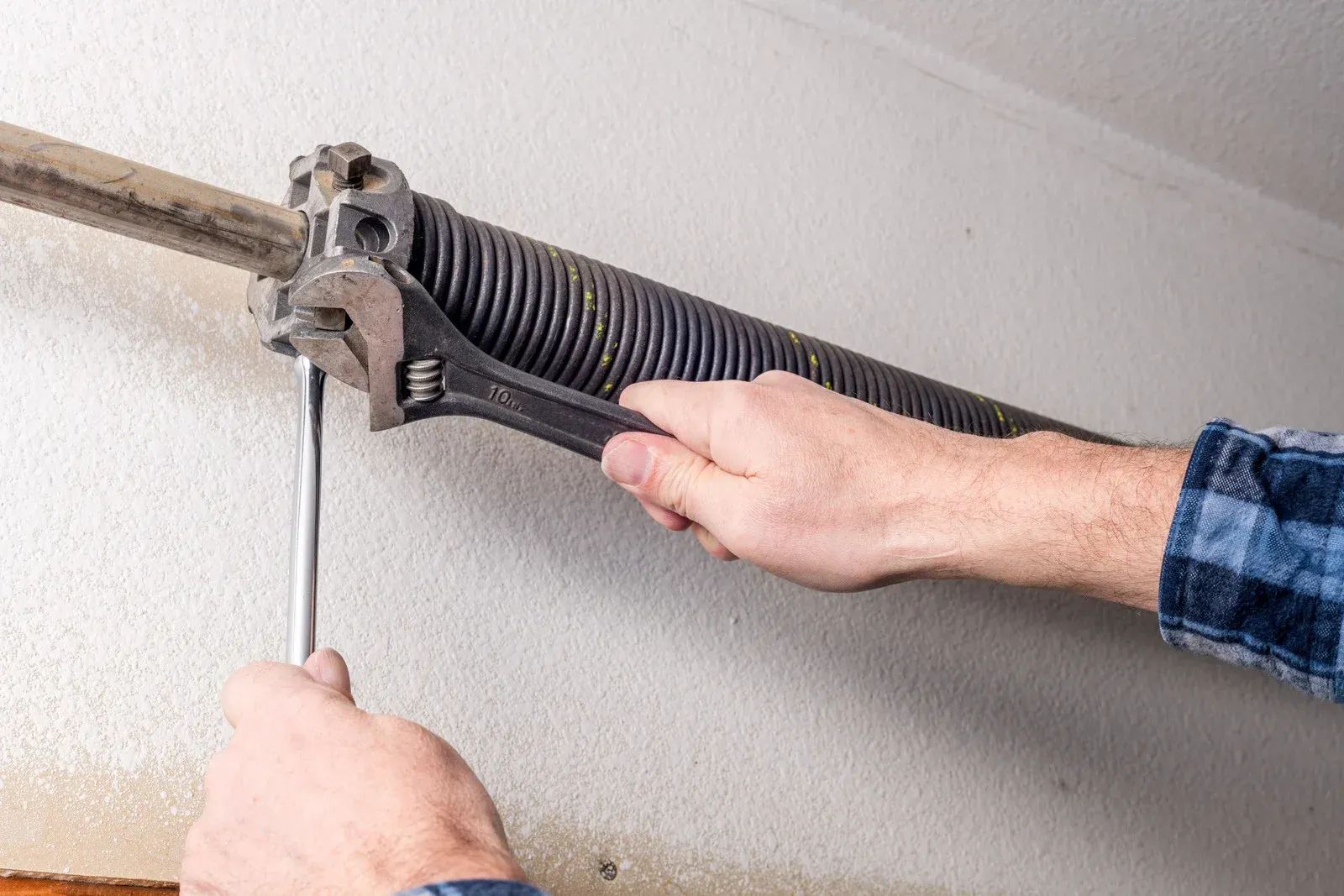
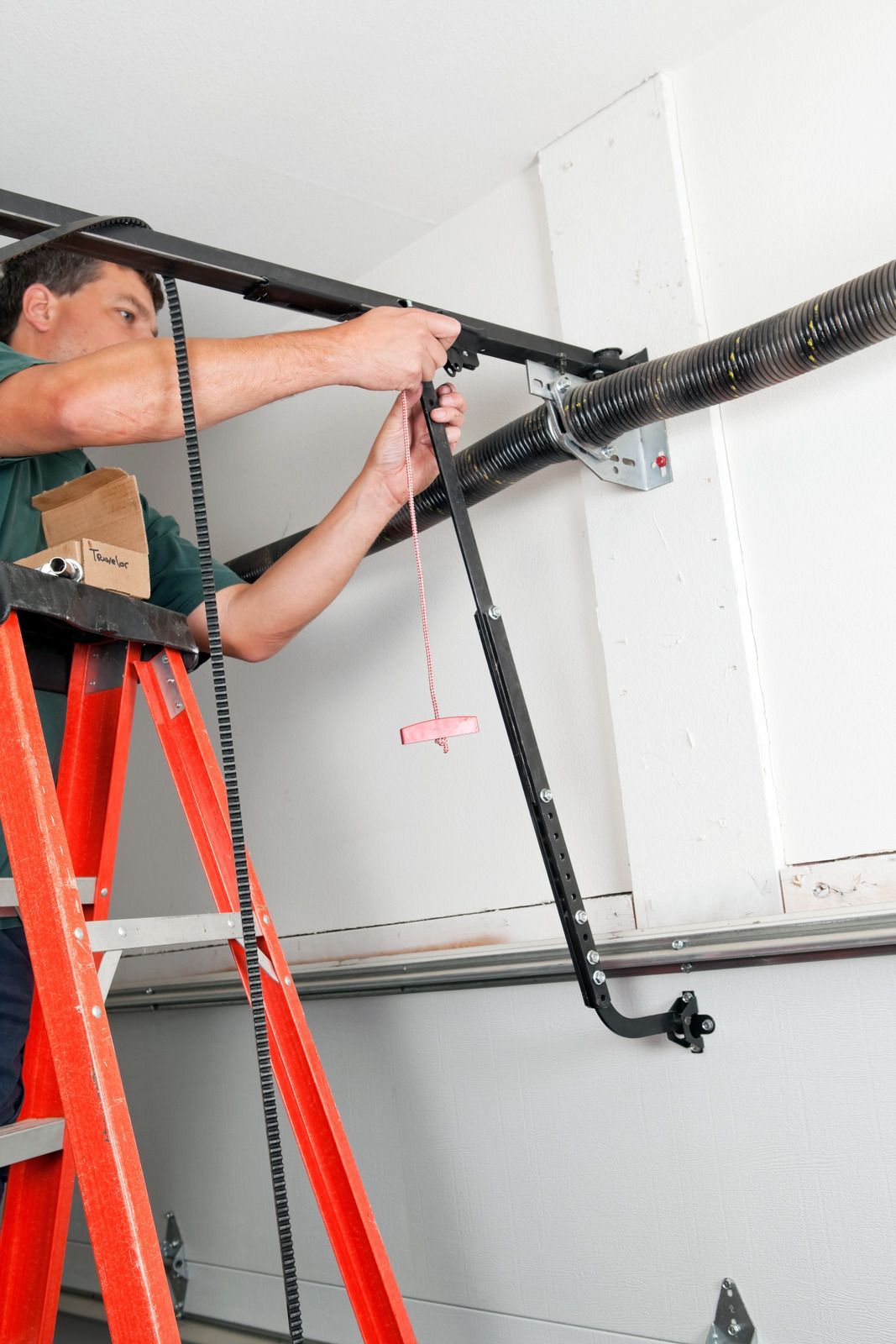
Garage doors are an essential component of modern homes, providing security, convenience, and enhancing overall property value. Among the many elements that ensure a garage door operates smoothly, the springs play a pivotal role. These components, typically classified as torsion or extension springs, are responsible for counterbalancing the weight of the door, allowing it to open and close effortlessly. Over time, however, wear and tear, weather conditions, and daily use can compromise the integrity of these springs. Ignoring the early signs of deterioration can result in sudden malfunctions, leading to safety hazards, costly repairs, or even complete garage door failure.
Understanding the signs that indicate your garage door springs need immediate attention is crucial for homeowners and property managers alike. Recognizing these warning signals early allows for timely intervention, preventing accidents, minimizing downtime, and extending the lifespan of your garage door system. This blog explores the most common indicators of failing garage door springs, practical insights for identifying issues, and expert guidance on safe replacement practices. By equipping yourself with this knowledge, you can ensure your garage remains secure, functional, and hassle-free.
1. Visible Signs of Wear and Damage
Rust and Corrosion
One of the most apparent indicators that garage door springs are deteriorating is rust formation. Springs are typically made of high-tensile steel, which is susceptible to moisture and humidity. Over time, exposure to environmental elements can cause corrosion, weakening the metal and reducing its load-bearing capacity. Rusty springs may still function temporarily, but the risk of sudden snapping increases significantly.
Real-World Scenario: A homeowner in a humid area noticed small rust patches along the extension springs. Within weeks, one of the springs broke while attempting to close the door, causing the door to slam down unexpectedly. This incident highlights the importance of monitoring even minor rust developments.
Fraying or Wear Marks
Springs may develop visible fraying or small cracks along the coils due to constant tension and repeated cycles of use. These signs indicate metal fatigue, which compromises the spring’s strength. Frayed springs are prone to sudden failure, which can be dangerous and may damage other components of the garage door system.
Best Practice: Conduct a visual inspection of springs every few months. Look for uneven coils, worn areas, or sharp edges. Early detection allows for replacement before a complete breakdown occurs.
2. Changes in Garage Door Performance
Difficulty in Opening or Closing
When garage door springs weaken, the door often becomes harder to lift manually or may not operate smoothly with an automatic opener. This is because the springs no longer provide the necessary counterbalance for the door’s weight. If you notice the opener struggling or the door moving unevenly, it is a strong signal that spring replacement is needed.
Expert Insight: Garage doors rely on precise tension adjustments. Even a small decrease in spring tension can create noticeable operational issues, which, if left unaddressed, may strain the opener motor and other hardware.
Uneven Door Movement
Another performance-related sign is when the door moves unevenly or tilts to one side while opening or closing. This can indicate that one spring has lost tension or failed entirely. Uneven movement can cause additional wear on the rollers, tracks, and hinges, potentially leading to further damage and costly repairs.
Actionable Tip: Observe the door’s movement from a safe distance. If it tilts or jerks, schedule a professional inspection immediately. This reduces the risk of sudden failure and ensures long-term functionality.
3. Loud or Unusual Noises
Grinding, Squeaking, or Popping Sounds
Healthy garage door springs operate silently, with only minimal mechanical noise. Loud or unusual sounds such as grinding, squeaking, or popping can indicate that the springs are under excessive stress or beginning to fail. These noises may also result from misalignment, lack of lubrication, or metal fatigue.
Example: A resident reported a loud popping sound each time the garage door closed. Investigation revealed that one torsion spring had cracked, and the sound was the metal weakening under tension. Immediate replacement prevented a potentially hazardous snap.
Preventive Measures
Applying a high-quality garage door lubricant can help reduce friction and minor noise. However, lubrication will not fix worn or damaged springs. Persistent noises should always be treated as a warning and not ignored, as they often precede complete spring failure.
4. Springs Appear Stretched or Lengthened
Extension Spring Indicators
Extension springs are designed to stretch as the door opens and contract when it closes. Over time, repeated cycles can cause the springs to permanently elongate, reducing their effectiveness. A stretched spring may no longer lift the door properly, forcing the opener to work harder and increasing wear on the system.
Observation Tip: Compare the length of each spring. Significant differences in size or noticeable sagging indicate a need for immediate replacement.
Torsion Spring Indicators
Torsion springs are mounted above the door and rotate under tension. If a torsion spring loses its shape or shows visible separation in the coils, it can no longer generate the necessary torque to lift the door evenly. This deformation is a clear sign of metal fatigue and imminent failure.
Safety Note: Attempting to adjust or repair a stretched or deformed spring without professional tools and expertise can be extremely dangerous due to the high tension involved.
5. Frequent Opener Malfunctions
Overworked Garage Door Opener
A weakened or broken spring places additional strain on the automatic garage door opener. Signs of this include the opener running longer than usual, stopping mid-operation, or overheating. Frequent malfunctions may not be due to the opener itself but are often a result of compromised spring performance.
Case Study: In a suburban home, the garage door opener began tripping its safety sensors repeatedly. After inspection, technicians discovered that one of the extension springs had lost tension, forcing the opener to overcompensate. Replacing the springs restored normal function and prolonged the life of the opener.
Safety Concerns
Continuing to operate the garage door with failing springs can damage the opener, door panels, and tracks. Additionally, the risk of sudden spring failure increases significantly, posing a safety hazard to anyone nearby. Professional spring replacement ensures both operational efficiency and safety.
6. Seasonal or Weather-Related Signs
Temperature Sensitivity
Garage door springs are sensitive to extreme temperatures. Cold weather can make metal more brittle, increasing the risk of snapping, while heat may accelerate wear and stretching. If a garage door begins to behave differently with seasonal changes—sticking in cold weather or closing too quickly in heat—it may indicate that the springs are nearing the end of their lifespan.
Real-World Example: A homeowner in a northern climate noticed the garage door resisted opening during winter mornings. The torsion spring had weakened, and cold temperatures exacerbated the issue. Replacement resolved the problem and ensured reliable performance year-round.
Environmental Exposure
Humidity, rain, and outdoor exposure can accelerate spring wear, particularly for garages with partially open or poorly insulated doors. Corrosion, rust, and gradual weakening may occur faster in these conditions, emphasizing the need for regular inspection and maintenance.
Best Practice: Schedule seasonal inspections to catch early signs of damage, especially after harsh winters or wet periods. This proactive approach can prevent unexpected failures and maintain safety.
7. Professional Evaluation and Replacement
Importance of Expert Assessment
Garage door springs operate under high tension, and improper handling can result in severe injuries or property damage. Engaging a professional technician ensures accurate assessment of spring type, size, and tension requirements. Experts can identify subtle signs of wear that may not be apparent to homeowners and recommend the most suitable replacement options.
Replacement Best Practices
- Use Correct Spring Type: Ensure torsion or extension springs match the door specifications.
- Balanced Installation: Proper alignment and tension prevent uneven movement and reduce wear on other components.
- Routine Maintenance: Regular lubrication, inspection, and minor adjustments can extend spring life and maintain optimal performance.
- Safety Protocols: Professionals use specialized tools to handle high-tension springs safely, minimizing risk to individuals and property.
Expert Tip: Even if only one spring appears damaged, it is often recommended to replace both springs simultaneously. This maintains balanced door movement and prevents accelerated wear on the new spring.
Garage door springs are critical components that directly impact the functionality, safety, and longevity of your garage system. Recognizing the signs of wear—such as rust, fraying, unusual noises, stretched coils, uneven door movement, and opener strain—can help homeowners take timely action and prevent accidents or costly repairs. Seasonal changes and environmental exposure further accelerate spring deterioration, making regular inspection essential.
Professional evaluation and replacement are the safest and most effective ways to restore reliable garage door operation. Attempting DIY repairs on high-tension springs is dangerous and can result in serious injury. By staying vigilant, homeowners can ensure smooth, safe, and efficient garage door performance year-round.
Abbott Door: Trusted Experts in Garage Door Services
Abbott Door, located in West Seneca, New York, brings over 50
years of expertise in garage door installation, maintenance, and
spring replacement. Our team prioritizes safety, precision, and customer satisfaction, ensuring each project is completed to the highest standards. With decades of experience, we understand the nuances of various spring systems and provide tailored solutions to extend the life of your garage door. Homeowners and businesses rely on Abbott Door
for prompt, professional service that combines technical excellence with dependable results. Whether you need routine maintenance or emergency spring replacement, Abbott Door
delivers reliable, efficient, and safe solutions. Trust our legacy of experience to keep your garage doors functioning smoothly, protecting your home, vehicles, and family.