Garage Door Safety Tips Every Homeowner Should Know
May 11, 2026
Garage doors are among the largest and most frequently used moving systems in any home, yet safety awareness around them is often overlooked. A modern garage door weighs hundreds of pounds and operates under significant tension, meaning even a minor malfunction can lead to serious injury or property damage. As automated systems become more advanced, homeowners rely heavily on sensors, remotes, and smart controls without fully understanding the safety mechanisms behind them. This gap in awareness increases the importance of following essential garage door safety practices. Regular attention to maintenance and safe operating habits can significantly reduce unexpected breakdowns and improve overall household safety.
In many homes, the garage door also serves as a primary entry point, which increases daily usage frequency and exposure to wear. Without proper awareness, small issues can quickly escalate into major hazards or costly repairs. Building a habit of observing performance changes early helps maintain consistent safety and reliability over time.
In the residential and commercial garage door industry, safety is not just a feature but a critical requirement that ensures long-term reliability and user protection. From spring tension systems to photo-eye sensors, every component plays a vital role in preventing accidents. Understanding how these systems function helps reduce risks and improve day-to-day usage confidence. Whether maintaining an existing door or installing a new system, awareness of safety protocols is essential for every homeowner. This guide explores practical, expert-backed garage door safety tips that help prevent injuries, extend system lifespan, and ensure smooth operation in everyday use. Modern garage systems also integrate advanced automation features, making it even more important to balance convenience with responsible usage. Consistent safety practices ensure both performance efficiency and long-term structural integrity.
1. Understanding Garage Door Mechanics and Safety Risks
Key Components That Demand Attention
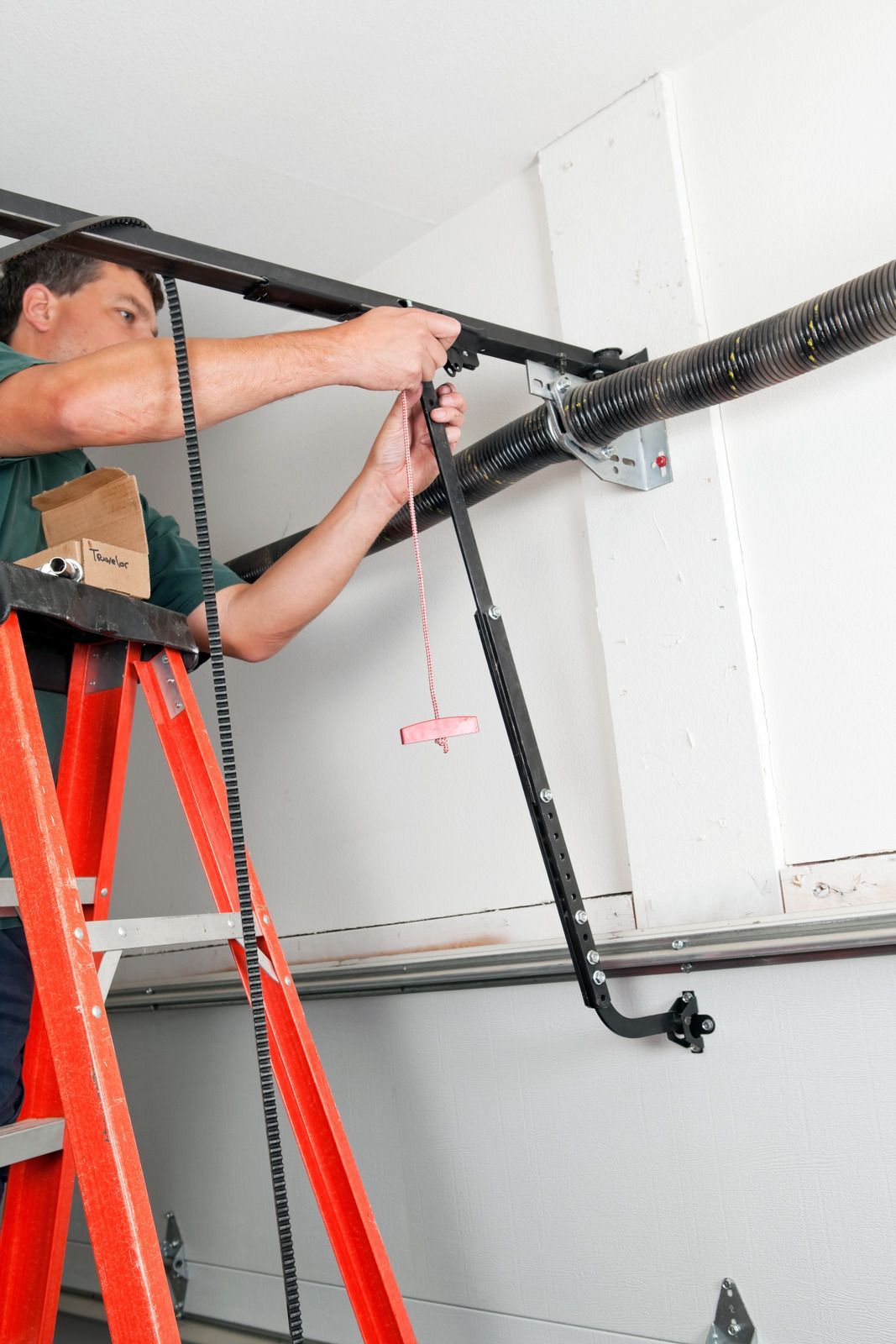
Garage doors operate through a combination of springs, cables, rollers, tracks, and motorized openers. Each component carries significant tension or movement load, making the system efficient yet potentially hazardous if handled improperly. Torsion springs store extreme mechanical energy and may cause severe injury if they snap unexpectedly during operation or maintenance, requiring professional maintenance and care.
Common Risk Factors in Daily Use
Most accidents occur due to worn-out hardware, ignored maintenance, or tampering with high-tension components. Misaligned tracks and faulty sensors can also cause the door to close unexpectedly or fail to reverse upon obstruction. Recognizing early warning signs such as unusual noises or jerky movements is critical for preventing hazards and ensuring long-term operational safety standards at all times.
2. Routine Inspection and Preventive Maintenance
Visual Checks Homeowners Should Perform
Regular inspection helps identify issues before they escalate. Checking cables for fraying, ensuring rollers move smoothly, and confirming that tracks remain aligned can significantly reduce malfunction risks. Observing the door balance by manually lifting it halfway also helps detect spring tension problems. This proactive approach ensures safer operation and reduces the likelihood of costly mechanical failures over time.
Lubrication and Cleaning Practices
Friction is a major cause of wear in garage door systems. Applying silicone-based lubricant to rollers, hinges, and springs ensures smoother operation and reduces strain on the opener. Keeping tracks clean from dust and debris also prevents mechanical obstruction. Regular maintenance improves system longevity and enhances overall safety performance in everyday residential garage door usage significantly.
Scheduling Professional Servicing
While basic checks can be done at home, complex components like springs and opener motors require professional calibration. Annual servicing ensures optimal performance, enhances safety, and extends the system’s lifespan. Professional inspections provide deeper system diagnostics and help prevent unexpected failures through timely identification of hidden mechanical issues, ensuring long-term reliability and operational safety standards are maintained.
3. Safe Use of Garage Door Openers and Smart Systems
Proper Remote and Wall Control Usage
Garage door openers are designed for convenience, but improper use can create risks. Keeping remotes out of children’s reach and ensuring wall switches are installed at safe heights helps prevent accidental activation. Avoiding repeated rapid opening and closing also reduces strain on the motor. Proper handling significantly improves safety and extends the garage door system's lifespan and overall reliability.
Smart Garage Door Technology Safety
Modern systems offer smartphone integration and remote monitoring. While convenient, secure passwords and updated firmware are essential to prevent unauthorized access. Real-time alerts help detect unexpected activity, improving home security. Advanced technology enhances convenience while maintaining strong security controls for residential garage systems, ensuring safe access management and reducing potential digital vulnerabilities effectively in connected homes today.
Emergency Release Awareness
Every automated garage door includes a manual release mechanism. Homeowners should understand how to use it safely during power outages or system failures. However, this feature should never be tested frequently without necessity, as improper handling may lead to imbalance issues. Proper awareness ensures safe manual operation during emergencies without compromising system alignment or functionality and overall integrity.
4. Sensor Safety and Obstruction Prevention
Role of Photo-Eye Sensors
Safety sensors are designed to prevent the door from closing when an object, pet, or person is detected in its path. These sensors use infrared beams positioned near the floor on both sides of the door frame. Proper alignment ensures accurate detection and prevents accidental closing incidents for enhanced household safety in all operating conditions, reliably maintained.
Common Sensor Problems
Misalignment, dirt buildup, or direct sunlight interference can cause sensors to malfunction. A faulty sensor may prevent the door from closing or, worse, fail to reverse upon obstruction. Regular cleaning and alignment checks are essential. Timely inspection and maintenance help ensure consistent sensor performance and reduce safety risks significantly across daily garage door usage environments properly maintained.
Testing Safety Reversal Systems
Every garage door should reverse automatically when it encounters resistance. Testing this feature monthly using a small object like a wooden block helps ensure proper functionality. Failure to reverse indicates immediate servicing is required. Regular testing ensures reliable safety performance and helps prevent unexpected operational failures in garage systems over time, for improved safety and consistently maintained standards.
5. Structural Safety and Environmental Awareness
Importance of Balanced Door Operation
A properly balanced garage door reduces strain on the opener and minimizes safety risks. An unbalanced door may fall unexpectedly or fail to stay open, posing a danger to users and vehicles. Maintaining proper balance improves system efficiency and ensures safer daily operation for long-term reliability while reducing mechanical stress on components significantly over time.
Weather-Related Risks and Protection
Extreme temperatures, humidity, and storms can affect door performance. Metal components may expand or contract, while wooden doors may absorb moisture and swell. Installing weather seals and performing seasonal checks helps maintain stability. Proper environmental protection ensures long-lasting durability and reduces seasonal damage risks effectively for improved garage door system performance, ensuring year-round reliability.
Preventing Unauthorized Access and Security Risks
Garage doors are common entry points for intruders. Ensuring strong locking mechanisms, secure opener codes, and updated smart system credentials reduces vulnerability. Lighting around the garage area also enhances visibility and deterrence. Comprehensive security measures significantly reduce unauthorized access risks and enhance overall home protection effectiveness through improved monitoring and control systems, consistently maintaining safety standards.
6. Child and Household Safety Practices
Educating Household Members
Awareness is the most effective safety tool. All household members should understand that garage doors are not toys and should never be played with or manually forced open or closed. Proper education ensures safe behavior and prevents accidental injuries in residential environments through consistent safety awareness practices maintained across all users at home.
Safe Distance Practices
Standing clear of a moving garage door is essential. Children should be instructed to avoid running under a closing door or playing near sensors and moving parts. Maintaining a safe distance significantly reduces the risk of injury and ensures smooth door operation during movement for enhanced household safety and accident prevention across all usage scenarios.
Storage and Organization Safety
Keeping items neatly stored prevents accidental obstruction of door movement. Tools, bicycles, or storage boxes placed too close to the door path can interfere with safe operation. Proper organization ensures smooth garage door functionality and reduces potential damage risks while maintaining safe operational space around garage entry points for improved usability and safety in daily use environments.
Professional Safety Standards Improving Daily Door Operation
Garage door safety is a combination of awareness, regular maintenance, and responsible usage. Understanding mechanical components, maintaining sensors, and following safe operational practices significantly reduces the risk of accidents. Preventive care not only enhances safety but also improves system efficiency and extends equipment lifespan. Homeowners who prioritize inspection routines and smart usage habits ensure smoother and more reliable garage door performance throughout the year.
At Abbott Door, based in West Seneca, New York, we maintain a legacy of excellence built over 50 years in the garage door vertical. This long-standing experience reflects a consistent dedication to safety-first service and customer-focused solutions. Every project is approached to ensure secure, smooth, and reliable garage door operation for years to come.
We take pride in offering solutions that address both modern automation needs and traditional mechanical systems. From installation to maintenance and repair, every process is handled with a strong commitment to safety protocols and quality craftsmanship. Homeowners benefit from structured inspections, advanced diagnostic methods, and efficient repair practices designed to prevent future issues.