How Regular Garage Door Maintenance Extends the Life of Your System?
March 16, 2026
Garage doors are an essential component of every home, providing security, convenience, and curb appeal. Yet, they are often overlooked when it comes to routine maintenance. Many homeowners only pay attention when a problem arises—such as a noisy operation, a door that won’t open, or visible wear and tear—leaving the system vulnerable to damage and costly repairs. In reality, a well-maintained garage door system can last decades, while a neglected one may experience premature failure. Understanding the role of regular maintenance is key to safeguarding your investment, avoiding unexpected breakdowns, and ensuring your home’s safety.
Regular maintenance goes beyond mere aesthetics or minor fixes. It encompasses inspection, lubrication, cleaning, and professional tune-ups that keep every component—from springs and rollers to cables and openers—functioning optimally. Routine care not only enhances the door’s longevity but also improves operational efficiency and safety. For homeowners and property managers alike, establishing a consistent maintenance schedule ensures reliability, prevents accidents, and minimizes downtime. This blog will delve into actionable strategies, expert tips, and real-world scenarios to highlight why consistent garage door maintenance is critical and how it directly contributes to the extended life of your system.
1. Understanding Your Garage Door System
Key Components and Their Roles
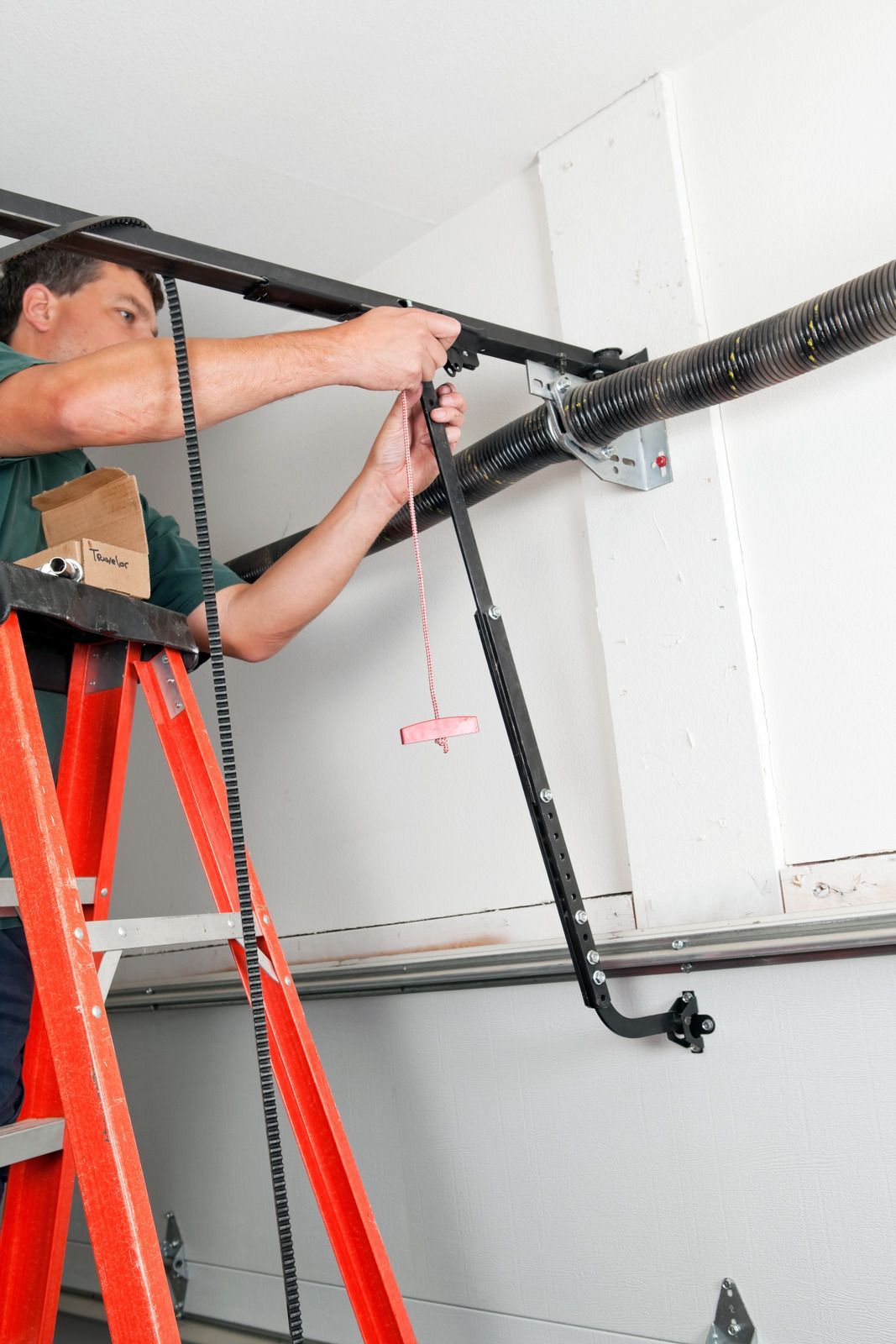
A garage door is a complex system made up of several interconnected components. These include springs, cables, rollers, hinges, tracks, and the opener mechanism. Springs bear most of the load, ensuring smooth lifting and lowering of the door. Rollers guide the door along tracks, while hinges provide structural support. The opener system, whether chain-driven, belt-driven, or screw-driven, facilitates automated operation. Understanding these components helps homeowners identify potential wear points and prioritize maintenance effectively.
How Neglect Impacts Longevity
Neglecting even a minor part of the garage door system can lead to accelerated wear and eventual failure. For example, dry or worn rollers increase friction, putting extra stress on springs and the opener motor. Rusted tracks can misalign the door, causing uneven movement or jamming. A single failing component may seem minor at first but can cascade into larger, more expensive problems if not addressed promptly.
2. The Benefits of Regular Inspections
Early Problem Detection
Routine inspections allow homeowners to detect early signs of wear or damage before they escalate into major problems. This includes identifying frayed cables, bent tracks, sagging panels, or weakened springs that could compromise overall safety. Catching these issues early not only prevents sudden system failures but also significantly reduces the potential cost of major repairs. Regular attention ensures the entire garage door system continues operating efficiently and reliably for years to come.
Safety Enhancements
Garage doors are heavy and under high tension, making them potentially dangerous if a component fails unexpectedly. Regular inspections help ensure safety features, such as auto-reverse sensors, emergency release mechanisms, and safety cables, are functioning correctly. This proactive approach reduces the risk of injuries to family members, pets, or property, while also preventing accidents that could result in liability or insurance claims. Safety-focused inspections provide peace of mind and long-term protection.
Real-World Example
Consider a homeowner who ignores a noisy, stiff garage door despite noticing unusual behavior over time. Over months, the increased stress damages the torsion springs and other mechanical parts of the system. Had they conducted a routine inspection, lubrication, and adjustment, the spring’s life could have been extended, saving hundreds of dollars in emergency repairs and avoiding inconvenient downtime. Regular inspections clearly prevent costly consequences.
3. Lubrication and Cleaning Practices
Importance of Lubrication
Lubricating moving parts is critical for smooth operation and extended system life, reducing friction and mechanical wear significantly. Components like rollers, hinges, and springs require appropriate lubrication to operate quietly and efficiently. Using a high-quality, garage door-specific lubricant prevents corrosion, minimizes noise, and eases the strain on the opener mechanism, while also helping maintain consistent performance even under heavy daily use. Proper lubrication is a key step in prolonging the system’s overall durability.
Cleaning for Longevity
Dirt, debris, and moisture can accumulate in tracks and on moving components, causing operational inefficiencies and increased wear over time. Cleaning tracks, rollers, and panels with a soft cloth and mild detergent removes grit that may contribute to long-term damage. Keeping the exterior panels clean also prevents rust, corrosion, and fading, particularly in humid or coastal environments where moisture and salt can accelerate deterioration. Regular cleaning maintains both functionality and aesthetic appeal.
Best Practices
- Lubricate springs, rollers, hinges, and bearings at least every six months for optimal performance.
- Wipe tracks clean and remove debris before applying a thin lubricant layer to ensure smooth motion.
- Avoid using heavy oils or greases that attract dust and dirt, which can accelerate wear and reduce efficiency.
- Follow manufacturer guidelines for all lubricants to prevent unintended damage to components.
4. Testing and Adjusting Garage Door Balance
Why Balance Matters
A properly balanced garage door reduces the stress on the opener, springs, and other components, ensuring long-term reliability. If the door is too heavy on one side or misaligned, it strains the torsion springs and motor, shortening their lifespan significantly. Regular balance testing ensures smooth and safe operation while preventing mechanical failures, unexpected malfunctions, and costly emergency repairs. Proper balance contributes directly to both efficiency and safety in daily use.
How to Test Balance
Disconnect the opener and manually lift the door halfway to observe its stability and movement. It should remain stationary without falling or rising unexpectedly. If the door moves in either direction, the springs require adjustment, which should always be performed by a professional due to the high tension involved. Correctly testing balance helps identify hidden mechanical issues before they escalate into dangerous failures or costly repairs.
Professional Adjustment Tips
- Only certified technicians should adjust torsion springs to prevent serious injury or property damage.
- Balance checks should be performed annually or immediately after any unusual operational behavior occurs.
- Include the opener system in the test to verify motor strain, door alignment, and all safety feature functionality.
- Proper professional adjustments improve overall efficiency, extend component life, and ensure reliable daily operation.
5. Recognizing Signs of Wear and Tear
Common Warning Signs
Regular maintenance includes being vigilant for visible and audible signs of wear that could indicate system issues. These include loud grinding, squeaking, or rattling noises during operation, slow or jerky door movement, visible rust or corrosion on metal parts, worn rollers or frayed cables, and misaligned tracks or sagging panels. Early detection of these warning signs allows timely intervention, preventing small issues from becoming costly, disruptive problems.
Consequences of Ignoring Signs
Ignoring these indicators can result in complete system failure, higher repair costs, and potential safety hazards for anyone nearby. For instance, a snapped torsion spring can cause the door to slam shut unexpectedly, posing serious risk of injury or property damage. Neglecting routine maintenance may also shorten the life of other components like cables, rollers, and openers, requiring expensive replacements sooner than expected.
Actionable Response
- Document and monitor minor issues for professional review to track progression over time.
- Schedule routine inspections and preventive maintenance before problems escalate into urgent repairs.
- Address minor repairs immediately rather than postponing them to reduce downtime and avoid higher costs.
- Maintain a consistent maintenance log to identify trends and preempt potential failures effectively.
6. The Role of Professional Maintenance
Why Hire Experts
While homeowners can perform basic upkeep, professional maintenance ensures comprehensive care across all components, including high-tension springs and hard-to-access parts. Experts are trained to inspect, lubricate, and identify hidden damage that may be missed during a DIY check. Their knowledge prevents improper adjustments that could compromise safety, reduce performance, or shorten system lifespan. Professional attention ensures the garage door operates reliably under heavy, long-term use.
Comprehensive Maintenance Checklist
Professional maintenance may include:
- Inspecting and adjusting springs, cables, rollers, and hinges for proper tension and alignment
- Testing auto-reverse functionality, sensors, and safety mechanisms for operational reliability
- Lubricating all moving parts with industry-approved products to prevent friction and wear
- Tightening hardware, checking panel alignment, and ensuring track stability
- Diagnosing opener functionality, electrical connections, and system performance for optimal efficiency
- Performing preventive repairs that prevent future breakdowns and extend component life
Long-Term Cost Benefits
Investing in annual or semi-annual professional maintenance may seem like an added expense initially, but it often saves homeowners from costly emergency repairs or full system replacement over time. A well-maintained garage door can last 20–30 years, maximizing return on investment and minimizing operational disruptions. Routine professional care preserves safety, efficiency, and reliability while ensuring peace of mind for daily use.
Experienced Technicians Extending Your System’s Life Span
Regular garage door maintenance is a proactive strategy that enhances the longevity, efficiency, and safety of your system. By understanding key components, performing routine inspections, lubricating and cleaning parts, testing balance, and recognizing early signs of wear, homeowners can prevent unexpected failures and costly repairs. Combining basic upkeep with professional maintenance ensures that every aspect of the system functions smoothly, extending its operational life and maintaining reliable performance.
For homeowners in West Seneca, New York, seeking expert guidance, Abbott Door
is a trusted authority in garage door solutions. With 50
years of experience, the company has consistently delivered high-quality maintenance, repair, and installation services.Abbott Door
prioritizes safety, precision, and long-term reliability, helping clients protect their investments while ensuring smooth, trouble-free operation. Whether you need routine maintenance, emergency repairs, or expert advice, Abbott Door’s knowledgeable team provides comprehensive solutions backed by decades of expertise, making them the go-to choice for homeowners who value quality and peace of mind.