The Importance of Weather Stripping for Energy Efficiency and Protection
February 20, 2026
In today’s world, where energy efficiency and home comfort have become paramount, small investments can yield significant returns. One often-overlooked aspect of maintaining an energy-efficient and secure home is weather stripping. This simple yet effective solution plays a crucial role in preventing energy loss, reducing utility bills, and safeguarding interiors from the elements. For homeowners and business property managers alike, understanding the importance of weather stripping is no longer optional—it is a necessity in the modern building landscape. From winter drafts to summer heat, uncontrolled airflow around doors and windows can compromise comfort and efficiency, making weather stripping a practical, cost-effective remedy.
Beyond energy conservation, weather stripping offers protection against environmental hazards. Gaps and cracks around doors and windows can allow moisture, dust, and pests to enter, potentially causing structural damage or health concerns over time. Furthermore, it can act as a first line of defense in noise reduction and enhanced security. This blog will explore the many dimensions of weather stripping, including its energy-saving benefits, types, installation considerations, and best practices. By the end, readers will gain actionable insights into how this often-underestimated solution can protect homes and businesses while promoting efficiency and comfort.
Understanding Weather Stripping and Its Role
What Is Weather Stripping?
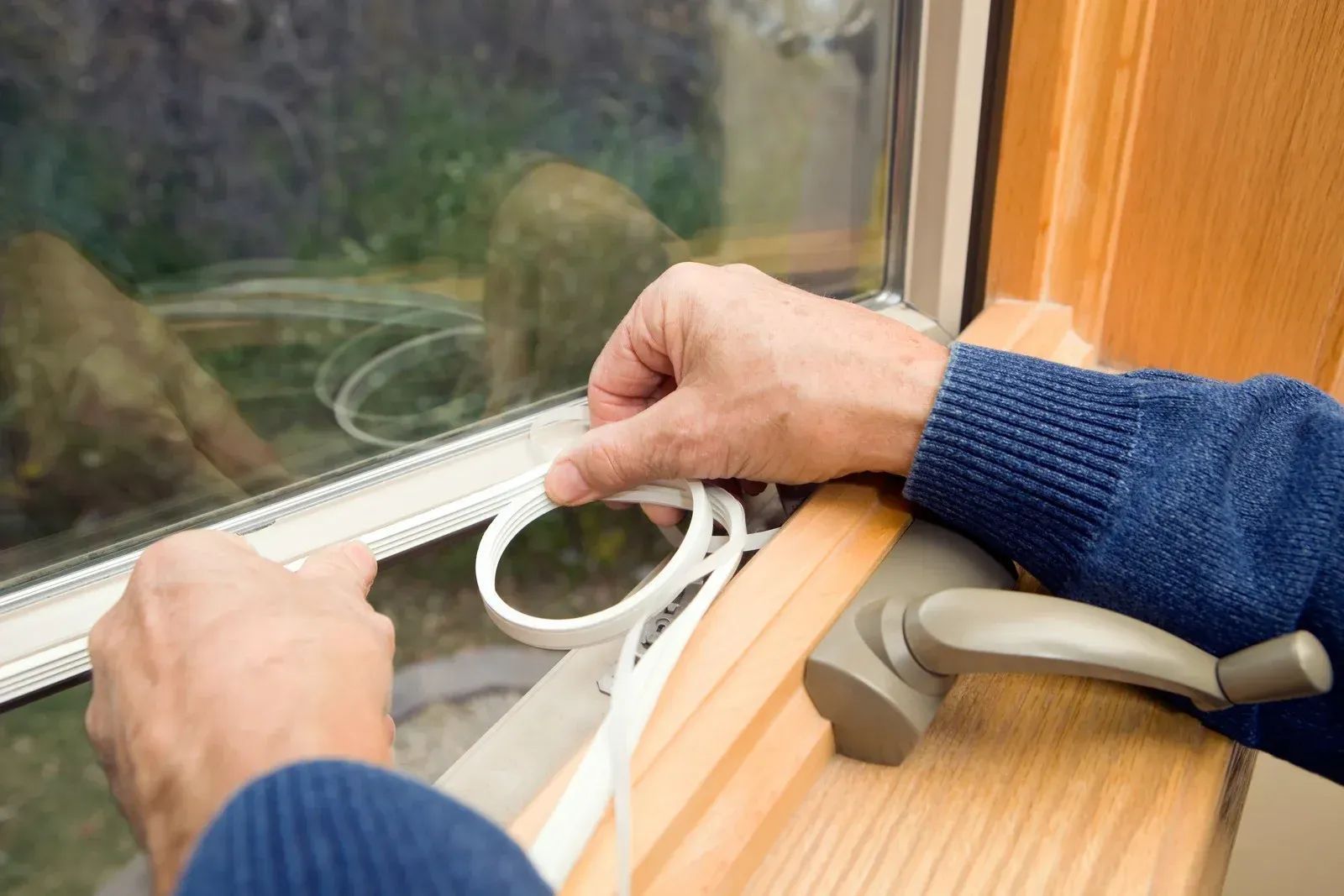
Weather stripping is the process of sealing gaps around doors, windows, and other openings to prevent air leaks and environmental infiltration. It typically involves installing materials such as rubber, foam, felt, or vinyl along frames where gaps are present. While its concept is straightforward, the impact on energy efficiency and indoor protection is substantial. By creating a tighter seal, weather stripping prevents uncontrolled airflow that contributes to energy loss, helping maintain consistent indoor temperatures.
The Core Functions
Some common problems homeowners encounter include:
- Energy Efficiency: By sealing air leaks, weather stripping reduces heating and cooling demands. Homes and offices become easier to regulate, allowing HVAC systems to operate more efficiently.
- Moisture Prevention: Water intrusion through gaps can cause wood rot, mold growth, and interior damage. Proper weather stripping prevents moisture from entering, prolonging structural integrity.
- Noise Reduction: Weather stripping acts as a barrier to external noise, improving comfort and creating a quieter indoor environment.
- Pest Control: Small openings are common entry points for insects and rodents. A well-sealed door or window limits this risk significantly.
Real-World Scenario
Consider a home in a cold climate where drafts around the front door reduce indoor comfort. Without weather stripping, the heating system works overtime to maintain a consistent temperature, resulting in higher energy bills. Installing quality weather stripping can solve this problem, demonstrating both cost-effectiveness and efficiency.
Types of Weather Stripping and Their Applications
Foam Tape
Foam tape is one of the most commonly used materials. It is flexible, easy to cut, and adheres well to most surfaces. Foam tape is ideal for irregular gaps and works best on doors and windows that do not require frequent movement.
V-Seal or Tension Seal
This type of weather stripping forms a V-shaped seal along the edge of doors and windows. The flexible material compresses when the door closes, creating an effective barrier against drafts and moisture.
Felt Weather Stripping
Felt is inexpensive and easy to install, often used for interior applications. While it is less durable than foam or vinyl, felt works well for areas that experience minimal friction and moderate climate conditions.
Rubber or Vinyl Strips
Durable and highly effective, rubber or vinyl strips are excellent for exterior doors and high-traffic areas. They provide long-lasting protection against air leaks, water intrusion, and pests.
Door Sweeps and Threshold Seals
Installed at the bottom of doors, these seals block air from entering beneath the door. They are particularly valuable in older homes where gaps have formed due to settling or wear.
Expert Insight
Choosing the right type of weather stripping depends on the location, climate, and frequency of use. For high-traffic doors, investing in durable materials like rubber or vinyl ensures longevity, while low-traffic windows may benefit from foam or felt.
Energy Efficiency Benefits
Reducing Heating and Cooling Costs
Air leaks are a major contributor to wasted energy. According to energy studies, poorly sealed doors and windows can account for up to 30% of energy loss in a home. Weather stripping eliminates this inefficiency, allowing heating and cooling systems to operate less frequently.
Maintaining Consistent Indoor Temperature
A home or office with proper weather stripping experiences fewer temperature fluctuations. This not only enhances comfort but also extends the lifespan of HVAC equipment by reducing strain on the system.
Environmental Impact
By lowering energy consumption, weather stripping contributes to a reduced carbon footprint. Homeowners can significantly minimize energy waste, aligning with sustainable living practices.
Case Study
A study conducted by the Department of Energy found that homes with well-installed weather stripping saw a reduction of up to 20% in annual heating and cooling costs. This demonstrates that even simple interventions can deliver measurable economic and environmental benefits.
Protection Against Environmental Elements
Moisture and Water Damage Prevention
Rain, snow, and humidity can infiltrate through unsealed gaps, leading to wood rot, mold growth, and structural damage. Properly installed weather stripping forms a watertight barrier, protecting interiors and reducing long-term maintenance costs.
Pest Prevention
Rodents, insects, and other pests often exploit gaps in doors and windows. By sealing these entry points, weather stripping reduces the risk of infestations and promotes a healthier living environment.
Noise Reduction
Noise pollution can affect productivity and well-being, particularly in urban areas. Weather stripping dampens external sound, creating a quieter, more peaceful indoor environment.
Security Considerations
While weather stripping alone is not a security system, it can complement other measures. A well-sealed door fits more snugly into its frame, reducing forced entry points.
Real-Life Application
In coastal regions, homeowners often face challenges from heavy winds and moisture. Installing high-quality weather stripping on doors and windows can significantly reduce water intrusion and prevent damage during storms.
Installation Best Practices
Assessing the Need
Begin by inspecting doors and windows for visible gaps, drafts, or signs of wear. Simple tests, such as holding a lit candle near the frame, can help identify air leaks.
Choosing the Right Material
Select weather stripping based on the location, frequency of use, and climate. High-traffic areas benefit from durable materials, while low-traffic spaces may accommodate more economical options.
Proper Installation Techniques
- Clean the Surface: Remove dirt, old adhesives, or debris to ensure proper adhesion.
- Measure Accurately: Cut weather stripping to the exact length of the frame or gap.
- Apply Firmly: Ensure the material is pressed evenly against the surface for an airtight seal.
- Check Movement: Doors and windows should open and close smoothly without excessive pressure on the weather stripping.
Maintenance and Replacement
Weather stripping can deteriorate over time due to friction, exposure to sunlight, or moisture. Regular inspections, at least twice a year, help identify areas that need replacement, ensuring continued effectiveness.
Challenges and Considerations
Potential Issues
- Incorrect Material Choice: Using the wrong type can reduce effectiveness or cause damage.
- Improper Installation: Gaps or misalignment can compromise the seal, negating benefits.
- Wear and Tear: Frequent use and exposure to elements can degrade materials over time.
Mitigating Challenges
Consult Professionals: Experienced installers can recommend materials and apply them correctly.
Routine Inspection: Regularly check seals for signs of wear or gaps.
Complementary Measures: Combine weather stripping with door sweeps, caulking, and insulation for maximum efficiency.
Expert Advice
Investing in quality materials and proper installation outweighs initial costs, as it ensures long-term savings and protection. Neglecting this aspect can lead to higher energy bills, frequent repairs, and reduced comfort.
Long-Term Value and ROI
Financial Savings
While weather stripping requires a modest upfront investment, it pays for itself through lower energy bills and reduced maintenance costs.
Enhanced Comfort and Productivity
Homes and offices remain more comfortable, with consistent indoor temperatures and reduced noise levels. This contributes to improved well-being and efficiency.
Property Value
Properly sealed doors and windows reflect attention to detail and building maintenance, enhancing overall property value. Prospective buyers or tenants recognize the benefits of energy efficiency and protection against environmental damage.
Environmental Responsibility
Using weather stripping demonstrates a commitment to sustainable living by reducing energy consumption and greenhouse gas emissions.
Real-World Impact
Homeowners often report noticeable differences in draft reduction and noise levels after installing weather stripping, while businesses benefit from improved HVAC efficiency and reduced operational costs.
Maximizing Efficiency Through Consistent Weather Stripping Maintenance
Weather stripping is a small but powerful solution that delivers significant benefits in energy efficiency, protection, and comfort. From preventing drafts and moisture intrusion to reducing noise and deterring pests, it addresses multiple challenges associated with maintaining a well-functioning, sustainable building. Choosing the right type, ensuring proper installation, and maintaining seals over time maximizes these benefits, offering measurable savings and long-term protection.
For property owners, understanding the importance of weather stripping is an essential step in optimizing energy use, reducing costs, and safeguarding structures from environmental damage. Simple yet effective, it represents a practical investment with tangible returns in both financial and comfort terms.
Abbott Door, located in West Seneca, New York, brings over 50
years of experience in providing high-quality door and window solutions. Specializing in professional weather stripping installation and maintenance, Abbott Door
combines expertise with personalized service to ensure that homes and businesses remain energy-efficient, secure, and comfortable. Their decades of experience reflect a commitment to excellence, making them a trusted authority in enhancing property performance and protection.